
Optimal Timing for Power Washing
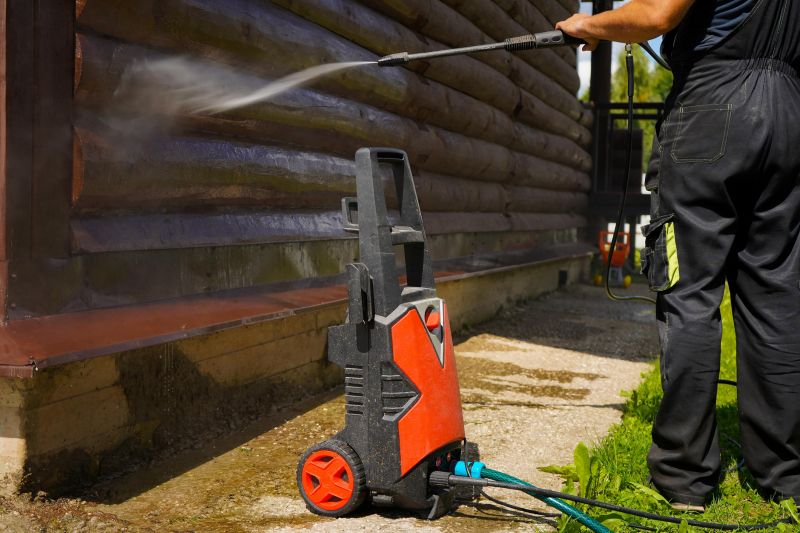
Spring is ideal for removing accumulated grime after winter.
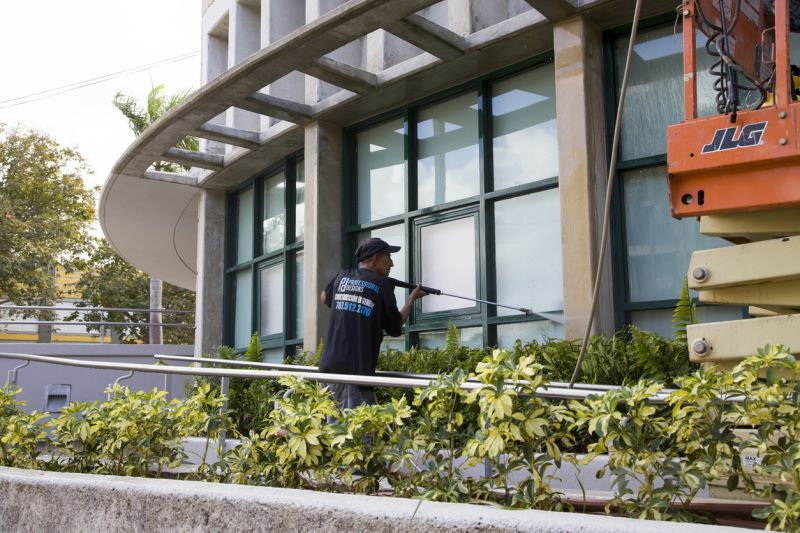
Summer can be suitable for routine cleaning to maintain surfaces.
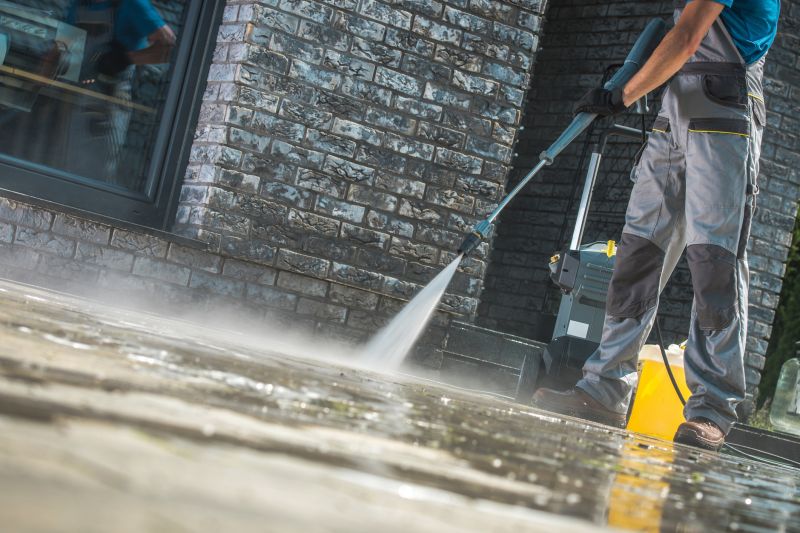
Fall prepares surfaces for winter by removing debris and dirt.
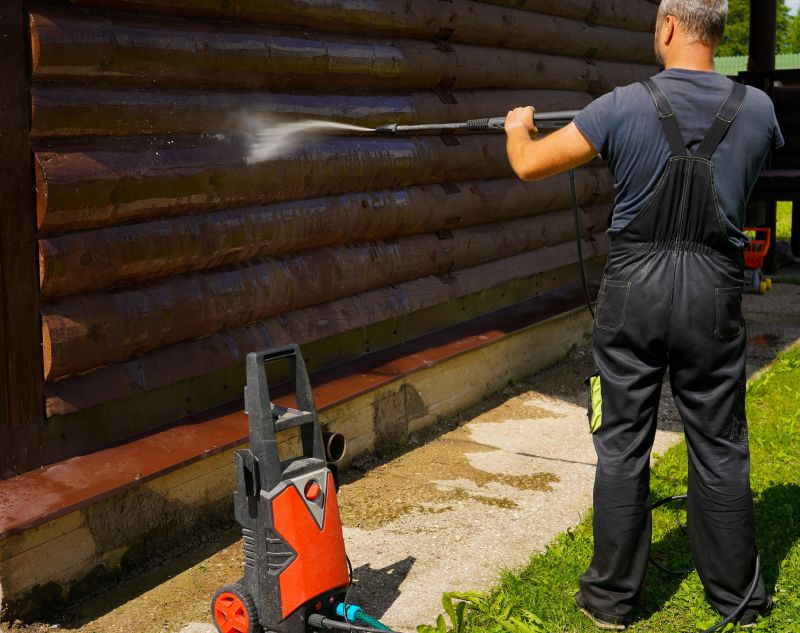
Ways to make Power Washings work in tight or awkward layouts.
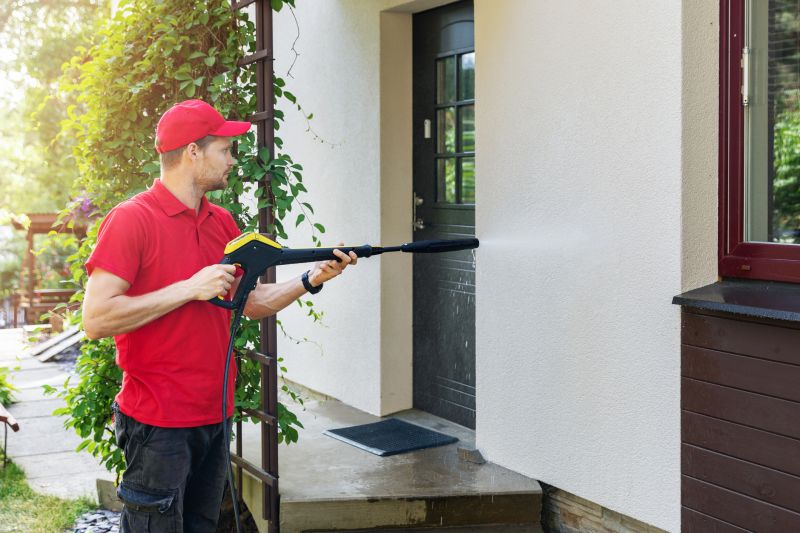
Popular materials for Power Washings and why they hold up over time.
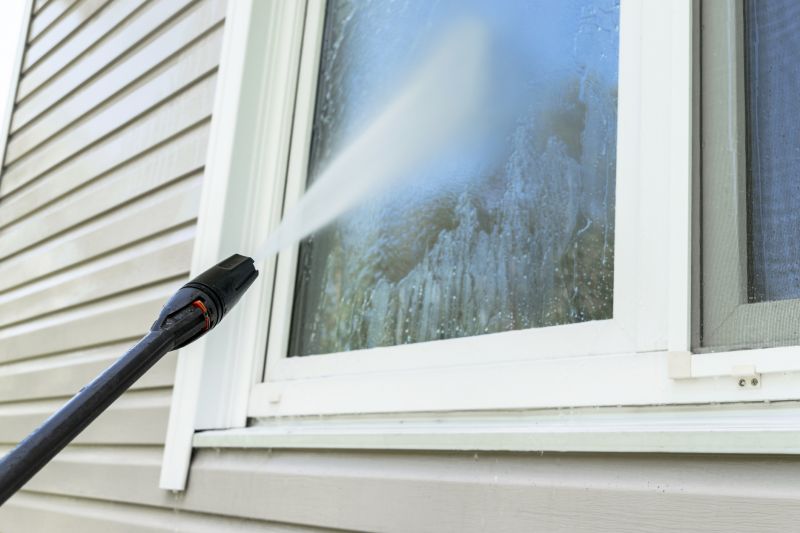
Simple add-ons that improve Power Washings without blowing the budget.
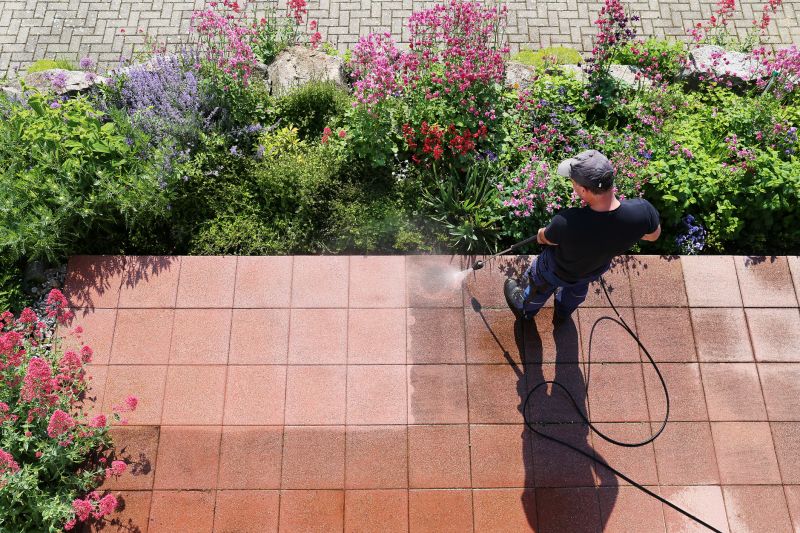
High-end options that actually feel worth it for Power Washings.

Finishes and colors that play nicely with Power Washings.
Power washing is a highly effective method for cleaning exterior surfaces, including siding, decks, driveways, and patios. It uses high-pressure water to remove dirt, grime, mold, and algae, restoring surfaces to a cleaner state. Regular power washings can extend the lifespan of exterior structures and improve curb appeal. The timing of power washings depends on climate, surface material, and environmental conditions. Typically, scheduling during milder weather ensures optimal results and prevents damage caused by freezing or excessive heat.
Statistics indicate that annual power washing can increase property value by up to 5 percent and reduce maintenance costs over time. Performing power washings before winter weather can prevent the buildup of damaging substances, while post-winter cleaning can remove salt and residue. In regions like Lehigh Acres, FL, where humidity and heat promote mold growth, regular cleaning is especially important. Proper timing ensures surfaces are cleaned when environmental factors are most favorable, maximizing effectiveness and longevity.
Spring and fall are generally the best seasons for power washings due to moderate weather conditions.
Avoid power washing during freezing temperatures or extreme heat to prevent surface damage.
Typically, power washing is recommended once or twice annually, depending on exposure and surface type.
High humidity and mold-prone environments may require more frequent cleanings.
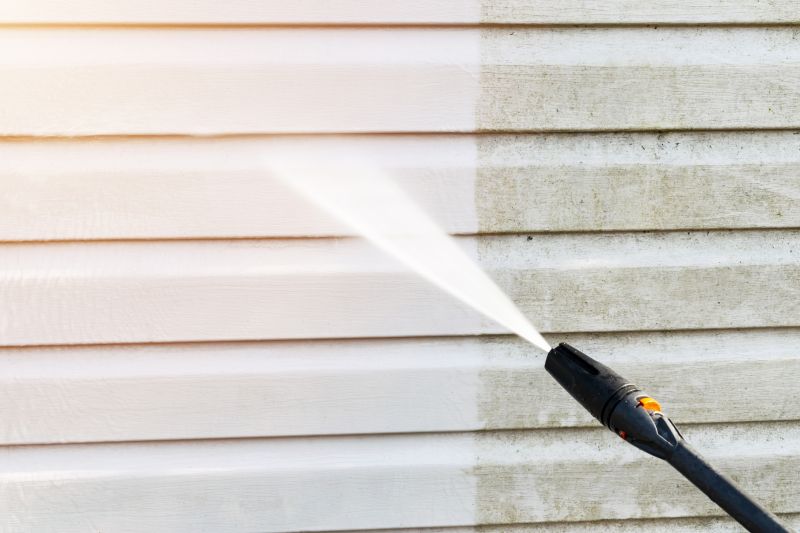
High-pressure washers effectively clean various surfaces.
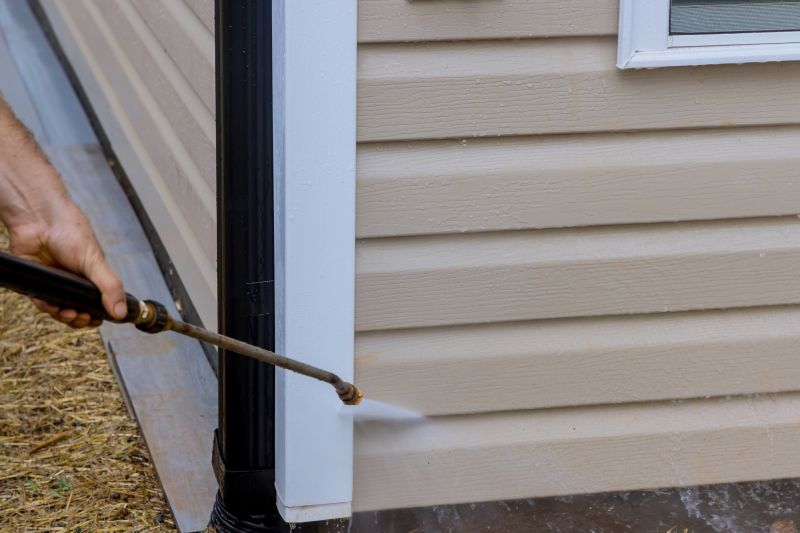
Power washing restores the appearance of siding, decks, and driveways.
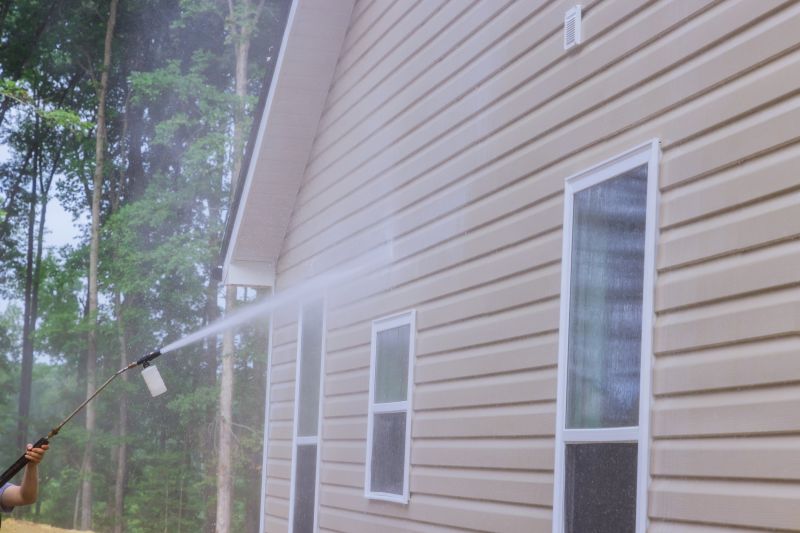
Visual transformations highlight the effectiveness of power washings.
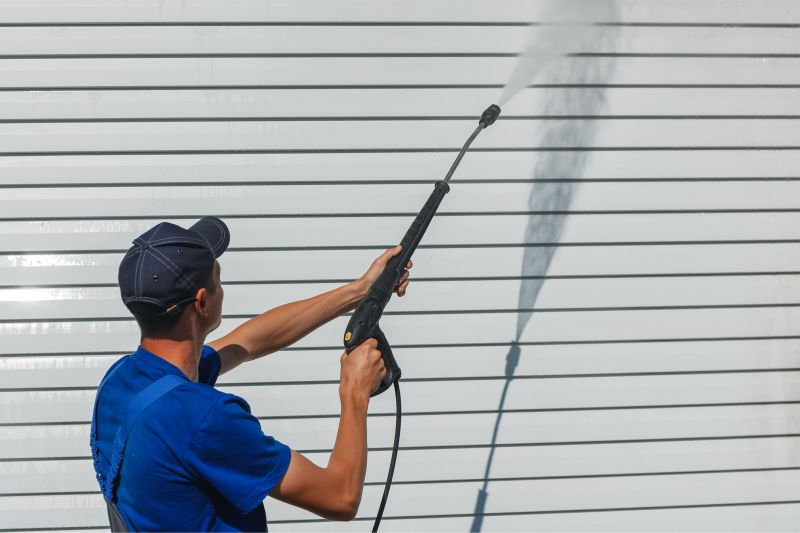
Power washing helps eliminate mold, algae, and mildew buildup.
Little measurements that prevent headaches on Power Washings day.
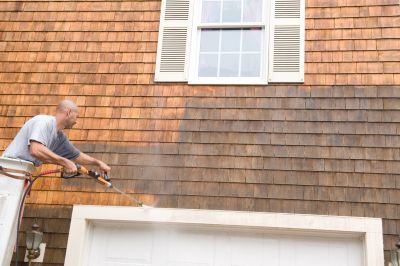
A 60-second routine that keeps Power Washings looking new.
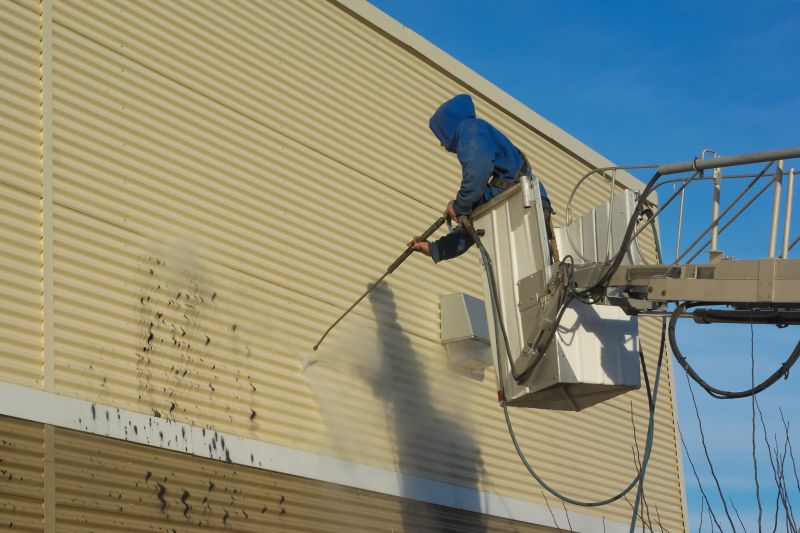
A frequent mistake in Power Washings and how to dodge it.
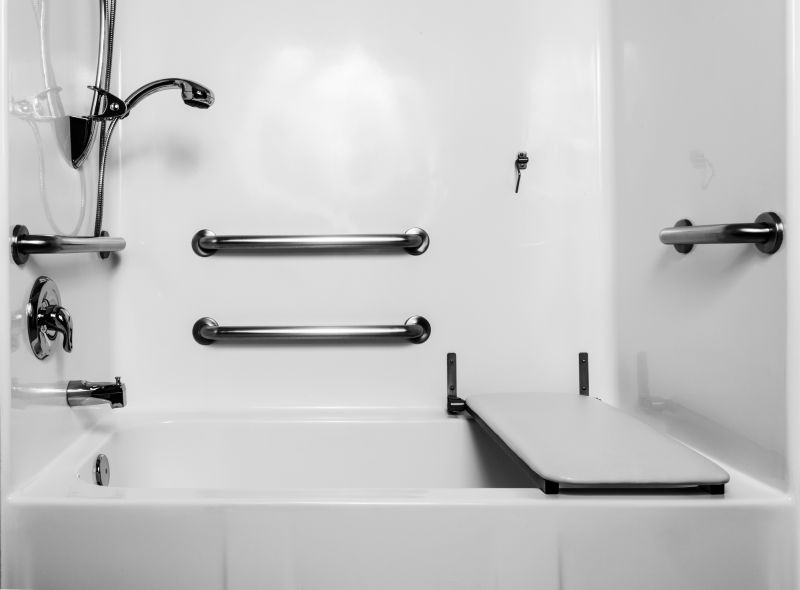
Small tweaks to make Power Washings safer and easier to use.
| Season | Best Practices |
|---|---|
| Spring | Schedule after winter to remove salt and debris. |
| Summer | Perform routine cleaning to maintain surfaces. |
| Fall | Prepare surfaces for winter by cleaning thoroughly. |
| Winter | Avoid power washing during freezing temperatures. |
| Post-Winter | Remove salt, mold, and accumulated grime. |
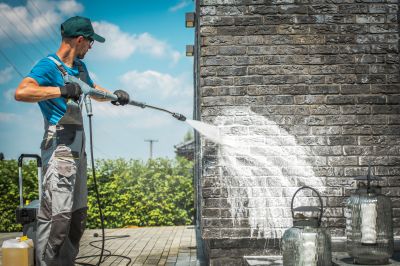
High-pressure water removes stubborn dirt and grime.
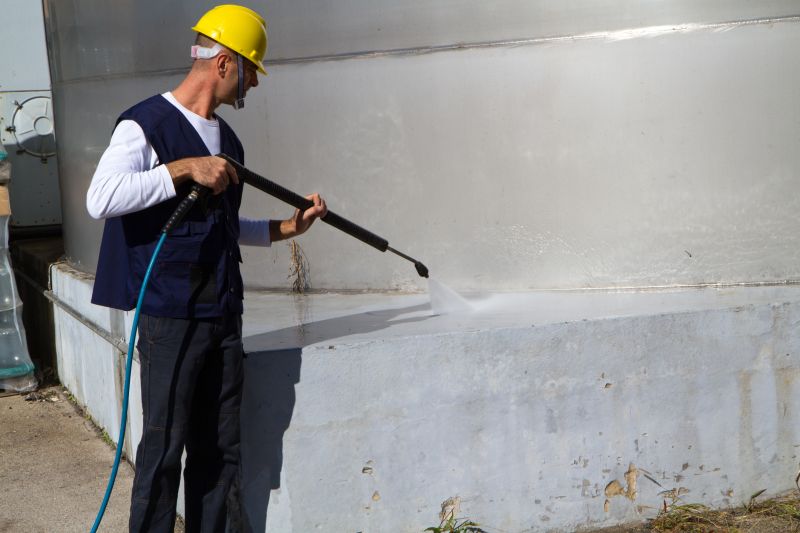
Cleaning prepares surfaces for painting or sealing.
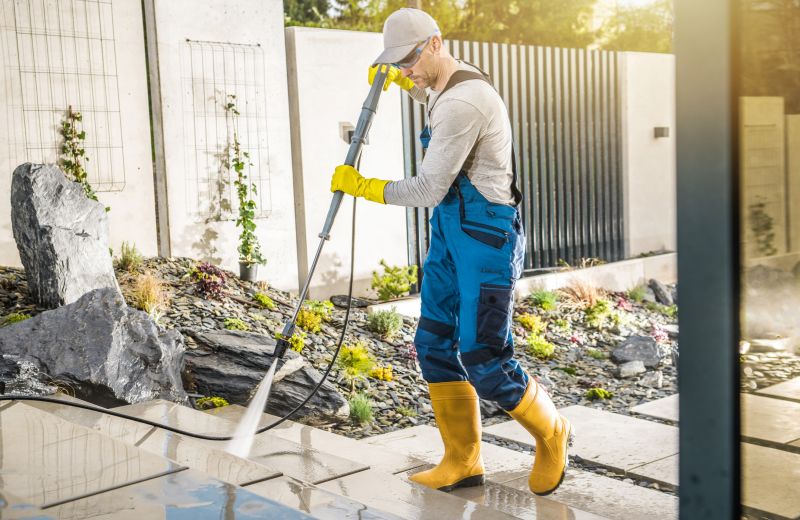
Modern power washers ensure efficient and safe cleaning.
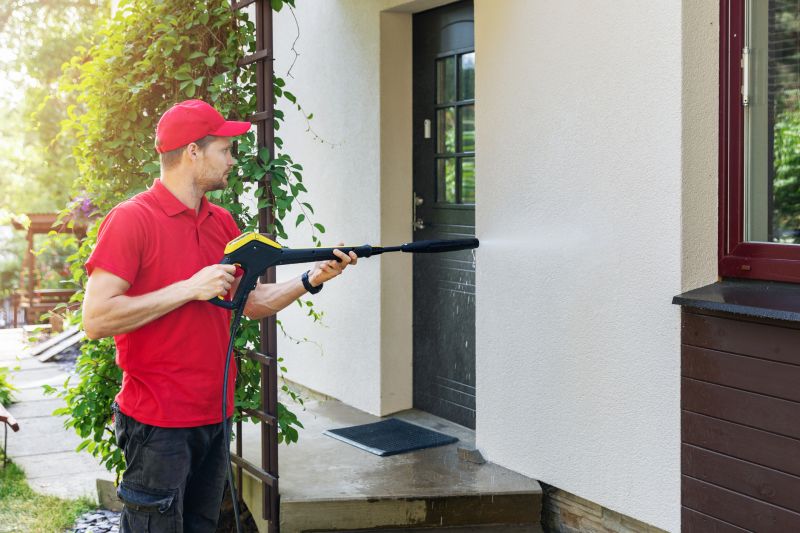
Lower-waste or water-saving choices for Power Washings.
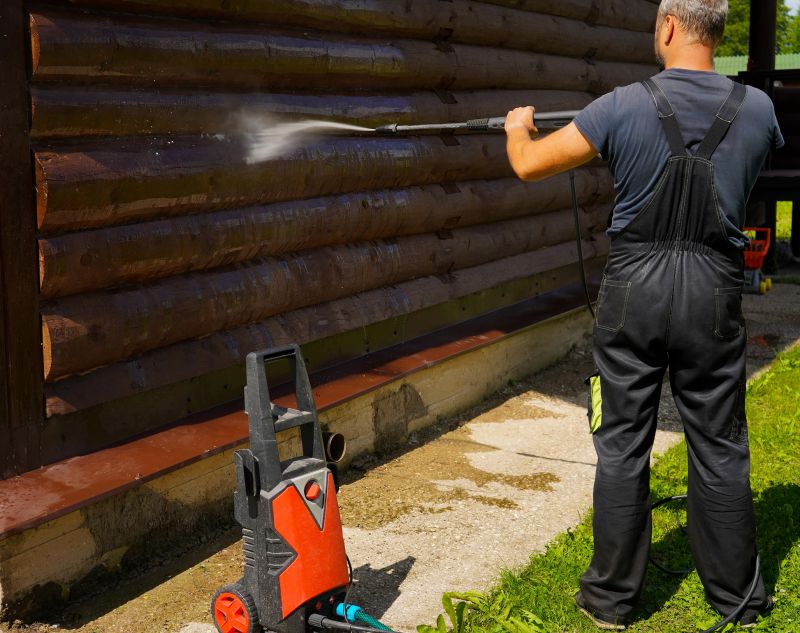
The short, realistic tool list for quality Power Washings.
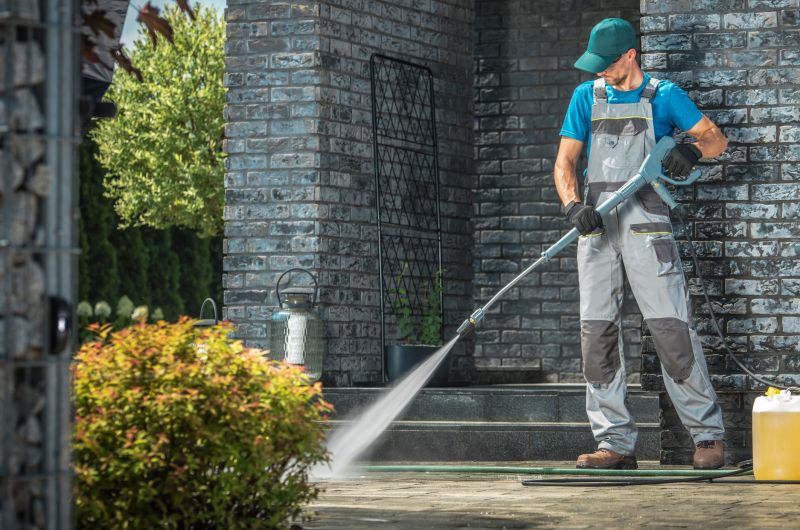
Rough timing from prep to clean-up for Power Washings.
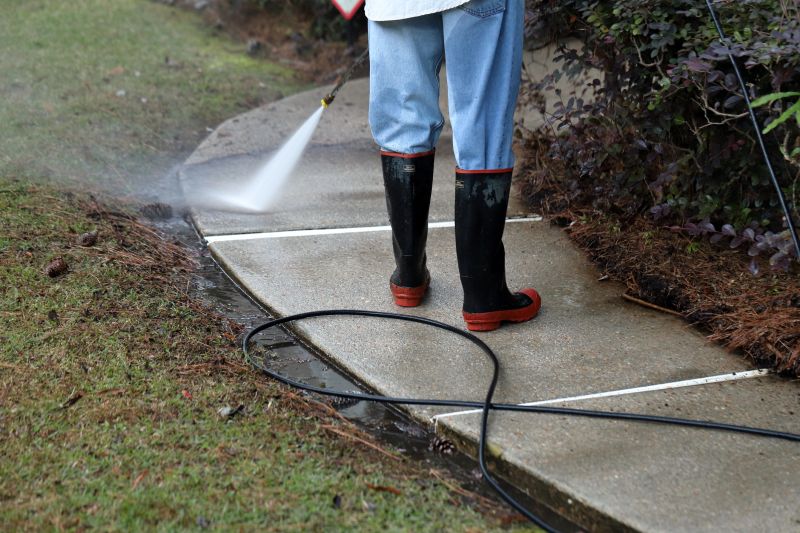
Quick checks and paperwork to keep after Power Washings.
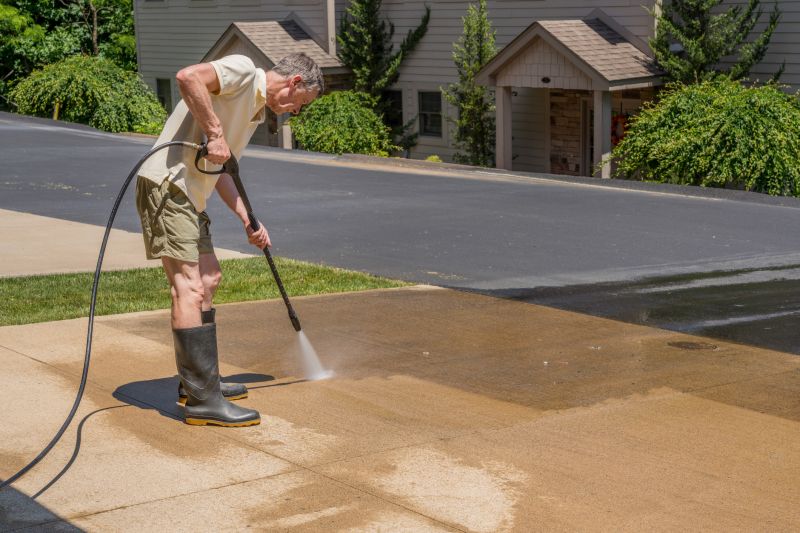
Examples that show the impact a good Power Washings can make.
Choosing the right time for power washings depends on local climate conditions and surface material. Regular cleaning schedules can prevent long-term damage and maintain the appearance of exterior surfaces. Consulting with a professional can help determine the most suitable timing based on specific environmental factors and surface needs.
Interested in scheduling power washings? Filling out the contact form provides an easy way to arrange services at the most appropriate time for property maintenance and aesthetic enhancement.